The pen breathes. As a line is drawn from a pen with a sealed ink reservoir, negative pressure builds inside it and the line thins. Eventually, the pen's need to breathe overcomes the resistance, and it gulps a small amount of air, recovering the strength of the line. Typically, such a pen can breathe when it's lifted from the paper, but if it isn't allowed to, it leaves a visible record of this rhythm. Drawing these lines is drawing breath.
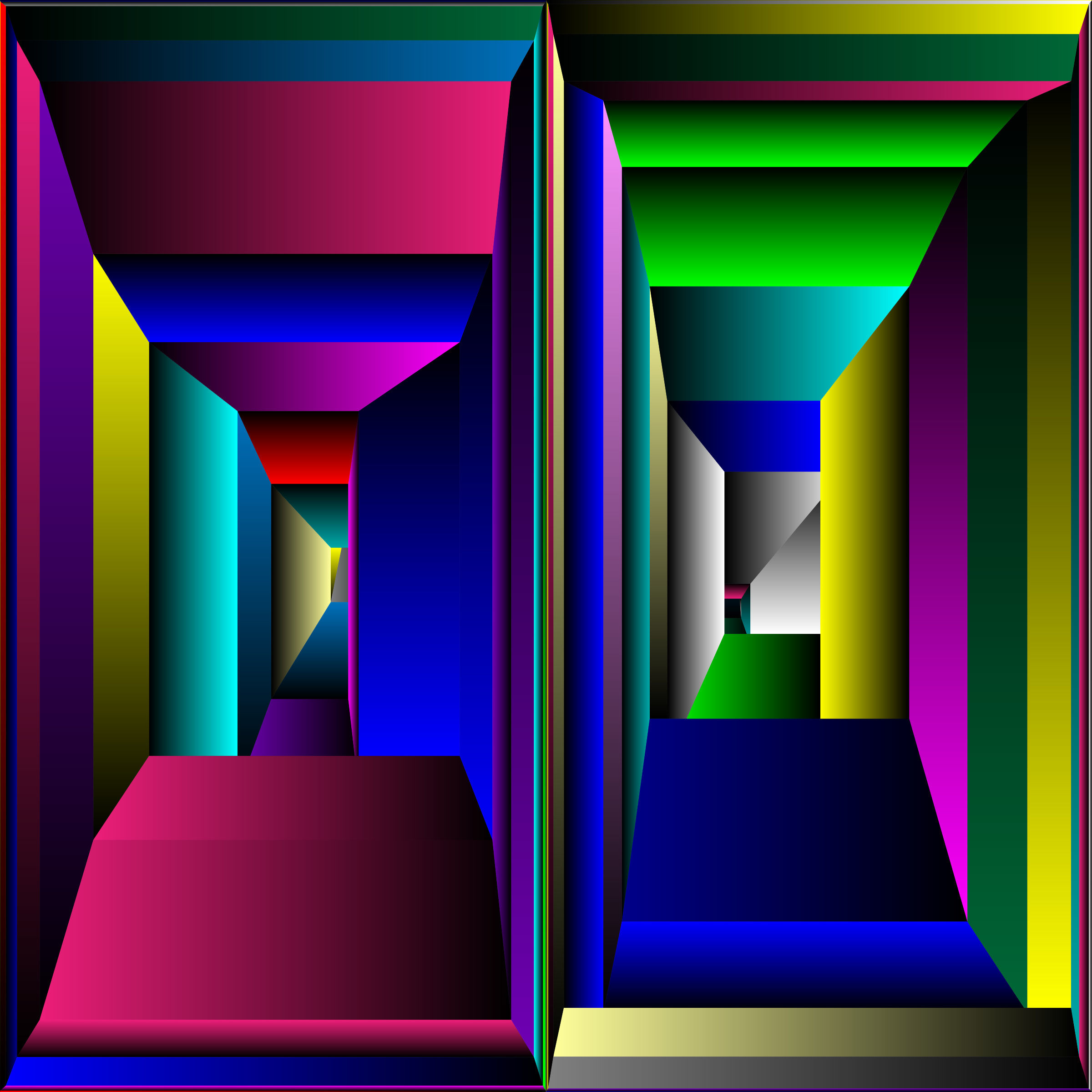
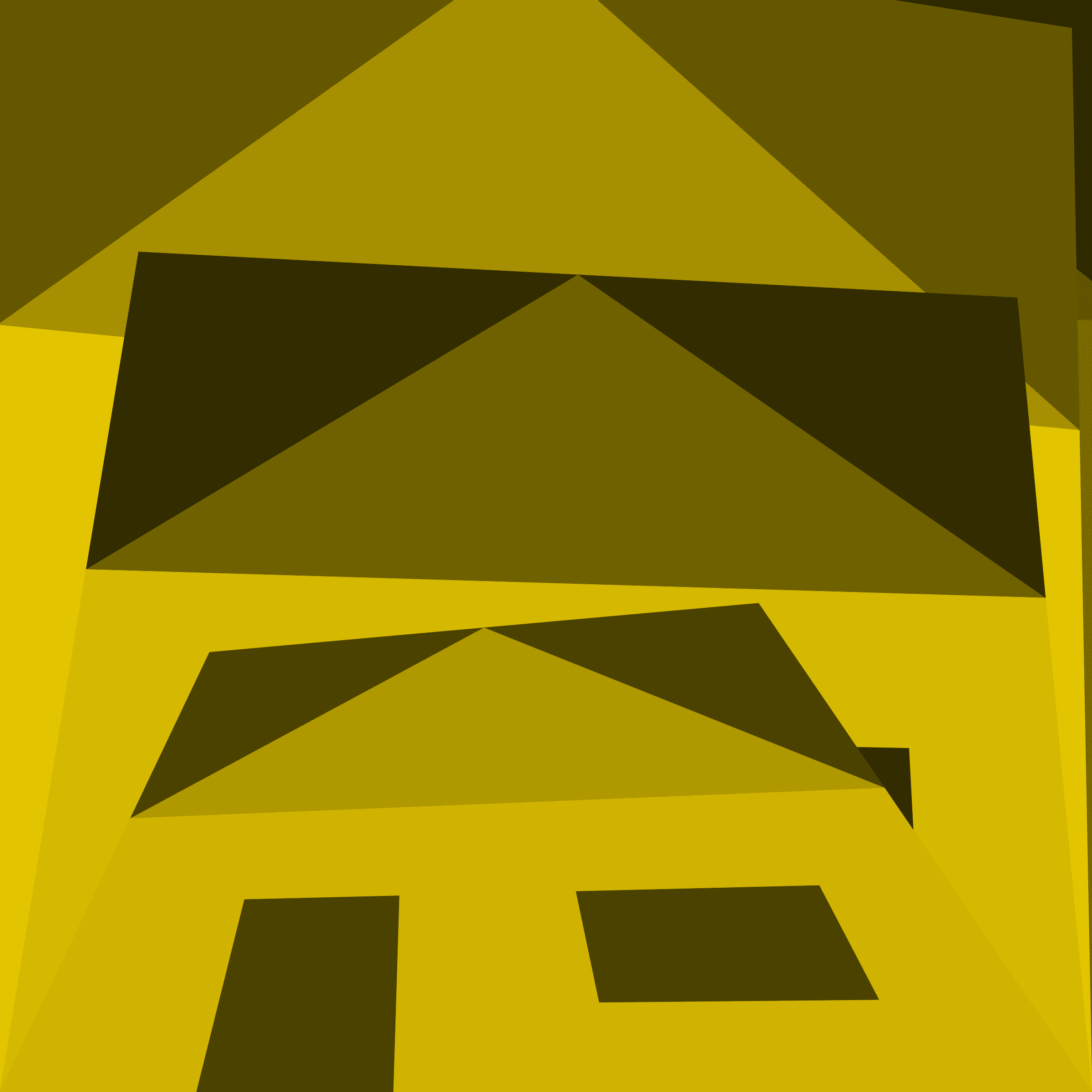
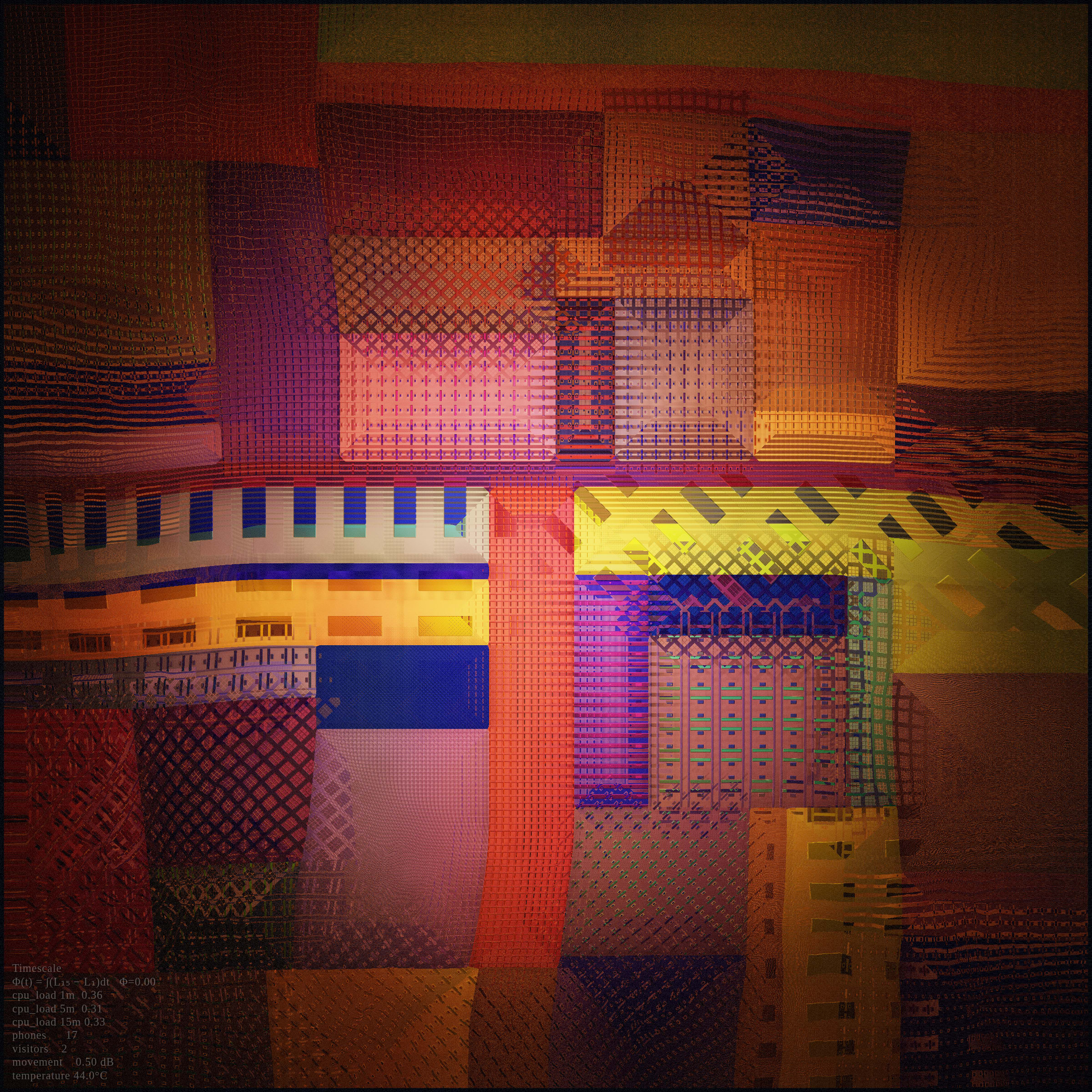
In this, the sixth series in the Zenerative collection of Zen-inspired generative artworks by Matto, two hands are at work. The digital algorithm sets the lines precisely, while the combination of fountain pen, ink, paper, and the act of drawing long lines adds an analog richness to an otherwise single-colored artwork. This depth is simulated by the project's code, which is stored immutably on the Ethereum network. Running the JavaScript in a browser lets you download both the plottable SVG and the skeuomorphic PNG.
The palette of Drawing Breath is the 24-color Iroshizuku collection of inks by Pilot, which is meant to portray some of the beauty of the Japanese landscape. In each generative output, one ink is selected and paired with the action of breathing: rise, rest, and both together as breath. Colors were sampled from the inks on Strathmore 400 series Mixed Media paper, and the breathing rhythm was calibrated with medium-nib TWSBI Eco pens on the same paper. When producing a physical plot, environmental and material differences will yield varying results, just as one breath will be slightly different from the next.
Inspiration and Creation
This project grew from an exploration in neoplasticism and pen-plotter hatch-fill mechanics. Through experimentation, I discovered this unique 'feature' of line thinning while plotting long lines with sealed ink reservoirs. It's easy to avoid — you lift the pen, and if needed, you give it time to allow the pressure to equalize. But I found it so interesting in that this human tool, when used by a machine, struggled to breathe and left a record of this rhythm along its journey. I think that's both beautiful and telling, as there are many today that feel winded by technology.
I discovered that inks breathed differently, depending on their composition. Drier inks looked like they were suffocating, while wetter inks, like the ones I chose, demonstrated a pleasant fade from a saturated hue. The Iroshizuku line of inks works wonderfully with this project, and calibration from plots informed the skeuomorphic simulation.
The Generative Program
Drawing Breath is written in vanilla JavaScript, is animated by default, and can export both the plottable SVG and a skeuomorphic PNG for screens. In the past, I've approached drawing scripts as 'what do I draw here - OK, draw that', but in this project I changed my approach. I decide what gets drawn, but instead of drawing it, I define it. That definition allows manipulation of the geometry before its drawn, e.g. clipping wrapping lines by shapes and changing the line color over the course of its drawing.
Live-Code Outputs
Drawing Breath draws itself in to existence, but this animation can be skipped with a hotkey. Various parameters can be customized to create different visual results and to account for plotting with different pens or inks. While the outputs are calibrated for Iroshizuku inks inside medium-nib TWSBI Eco fountain pens, a collector can plot with work with other inks or pens and still achieve beautiful results.
Plotter Notes
- The outlines should be drawn first to prime the vacuum in the sealed reservoir pen.
- The line thickness parameter is an average line thickness estimate, and in my tests, is about 25% thinner than the line drawn with a pressure equalized pen.
- A substantial paper is required to prevent buckling under the ink load, more than 1ml of ink can be applied within a 10 x 10 in square.
- Matto's signature stamp may be plotted repeatedly to increase the darkness of the mark, but allow time to dry between drawings to prevent paper damage.