Meet the artist
Paolo Curtoni
Art, Waves, Language, Code.
Fixed edition of 100 unique artworks
Released Friday, Sep 19 at 8:00 AM UTC
64
Works remaining
--Ξ
Price
What to expect
Every purchase guarantees a unique, 1-of-1 artwork
This artwork is animated
It seems that fire changed us forever, when Prometheus challenged the gods and gave humans the flame of language, of thought. Thanks to that stolen flame, we learned to speak, to build, and to remember. That spark ignited our minds, elevating us to humanity.
Thousands of years later, distracted and eager humans replicate that passing of the torch almost without realizing it. They throw open the gates of an infinite city made of words: written streets, palaces of sentences, squares of thoughts. And a creature enters, explores, assimilates and organizes.
The gift passes from hand to hand: from the gods to us, from us to the machine.
Today, that flame has taken a new form: training datasets. Immense archives of language that teach machines to speak; our Promethean fire, in text format.
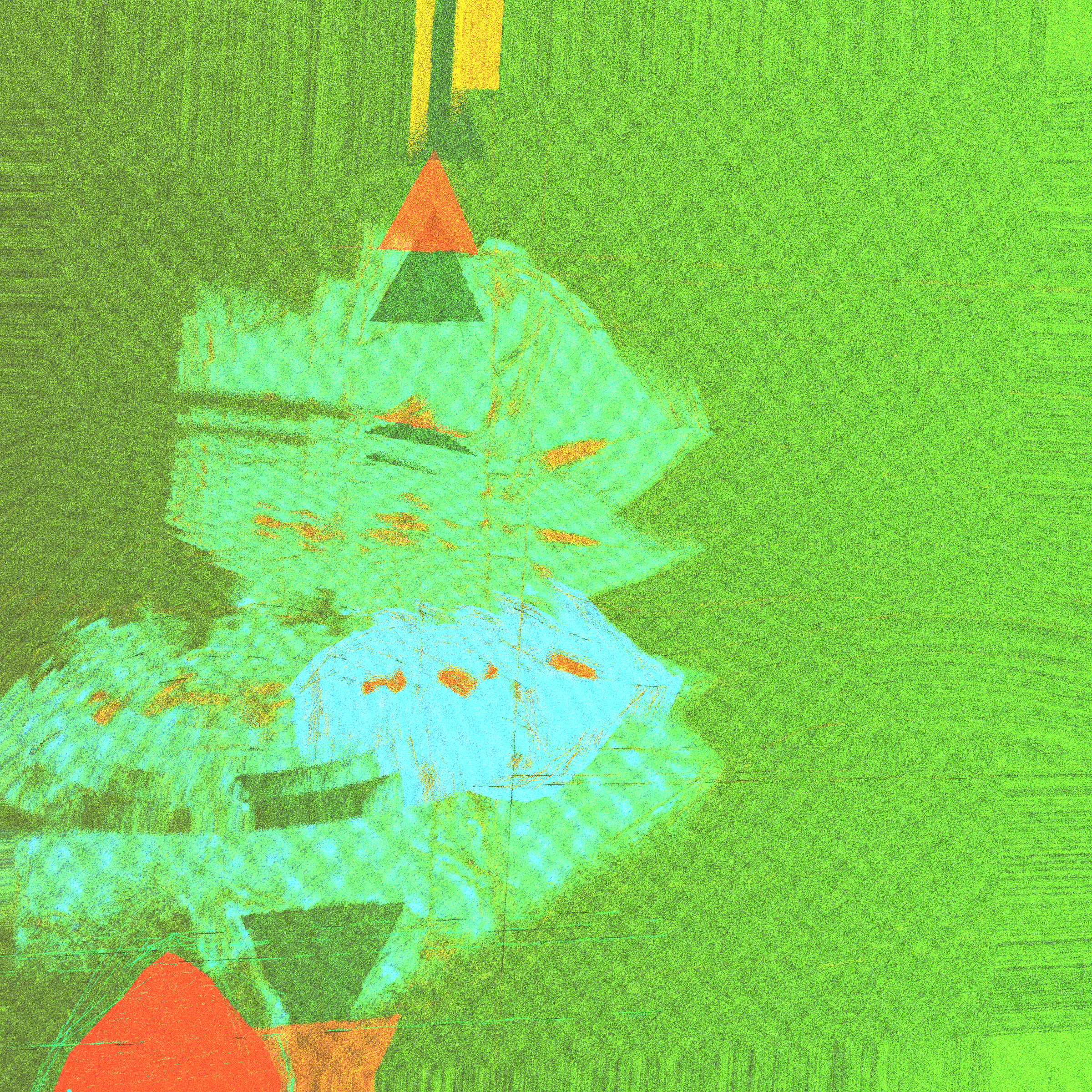
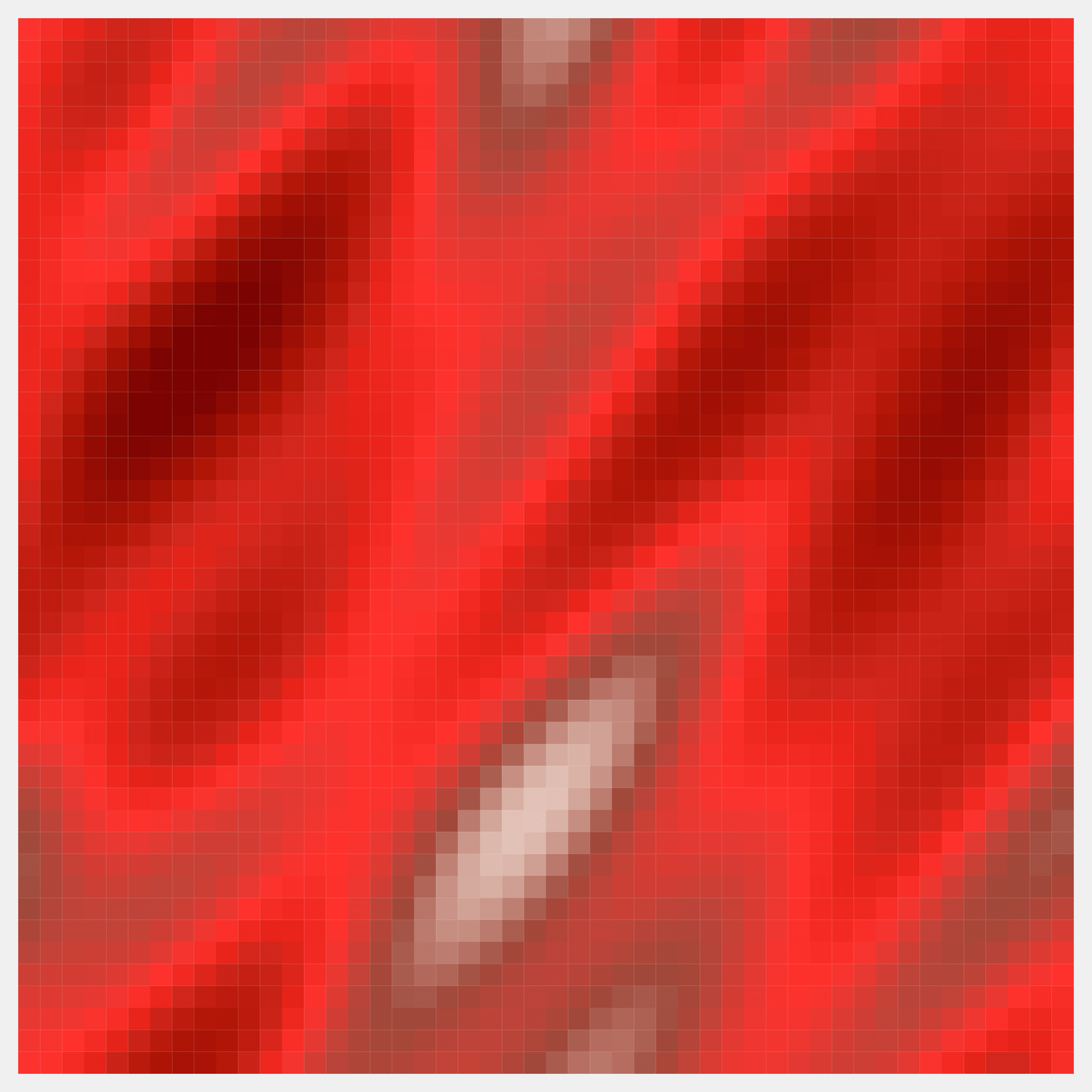
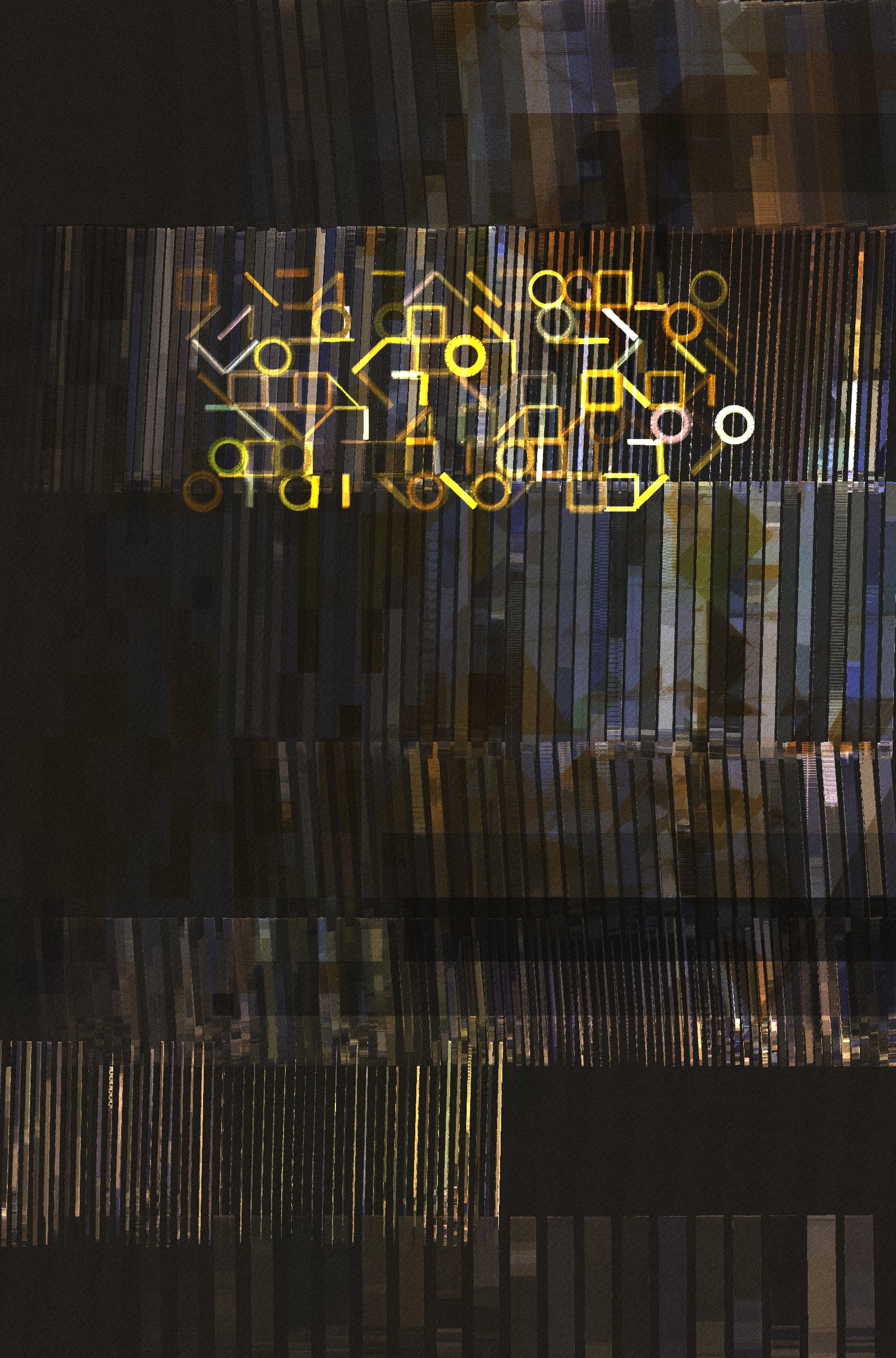
Neural Prometheus directly incorporates into its source code a real extract from a dataset commonly used to train large language models (LLMs). A sample cut from that enormous corpus of texts that trains AI systems to understand and communicate. Phrases extracted from articles, manuals, blogs, conversations and reviews; fragments of poetry alongside assembly instructions. A slice of human reality crystallized into language. But here the dataset doesn’t train an LLM; it becomes visual matter, a landscape across which the form unfolds.
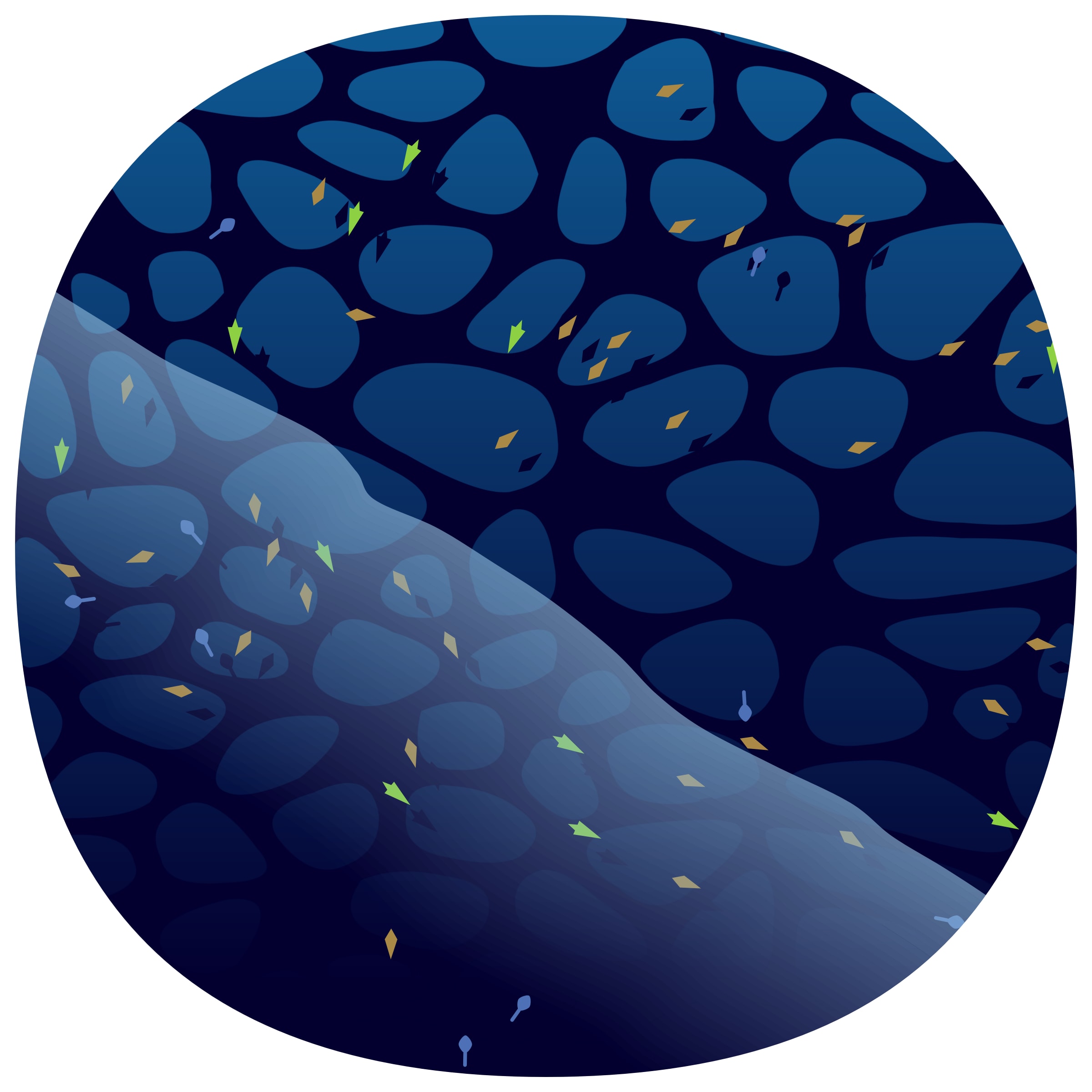
The generative algorithm operates on this textual terrain: a process of “space colonization” guides a branched form to expand, embedding and immersing itself in the semantic substrate. In a laboratory, you might call it a culture medium: here, fire — knowledge, writing — becomes the platform on which a new entity grows and evolves.
The forms that appear resemble neurons, with elongating branches and synapses that connect to the network of sentences. “Neural” is the metaphor we use to describe learning machines. And since Ramón y Cajal described the structure of neurons more than a century ago, the neuron has come to symbolize the basic functional unit of intelligence, the physical building block of thought. Cajal represented them with an artist’s hand, in ink and watercolor on laboratory paper, with desaturated palettes and sharp strokes, and those drawings remain a crucial reference and a source of inspiration.
What form does the space of meaning take? Who colonizes it? What transformations of meaning occur there? Under what regime of control does all this happen? Are we giving away our humanity?
The intelligences we train—or the golems we are shaping—constantly ask us for more material, more semantics, more words to chew. Today the goal is profit and performance; tomorrow, who knows. The colonization of thought begins when someone appropriates our meaning for purposes we have not negotiated.
We now need slow time, to contemplate and understand.
Part of Responsive Dreams 2025 Festival by The Generative Art Museum
19/20/21 September 2025
Nau Dents de Serra, Roca Umbert Fàbrica de les Arts, Granollers, Barcelona
More info: responsivedreams.com/2025
Release partners
Meet the artist
Paolo Curtoni
Art, Waves, Language, Code.
Discover more
Discover more
Explore the project