

Art Blocks studio
Rain Blooms
Kazuhiro Tanimoto
128 of 128 artworks releasing through an allowlist sale
ABOUT THE COLLECTION
Rain Blooms
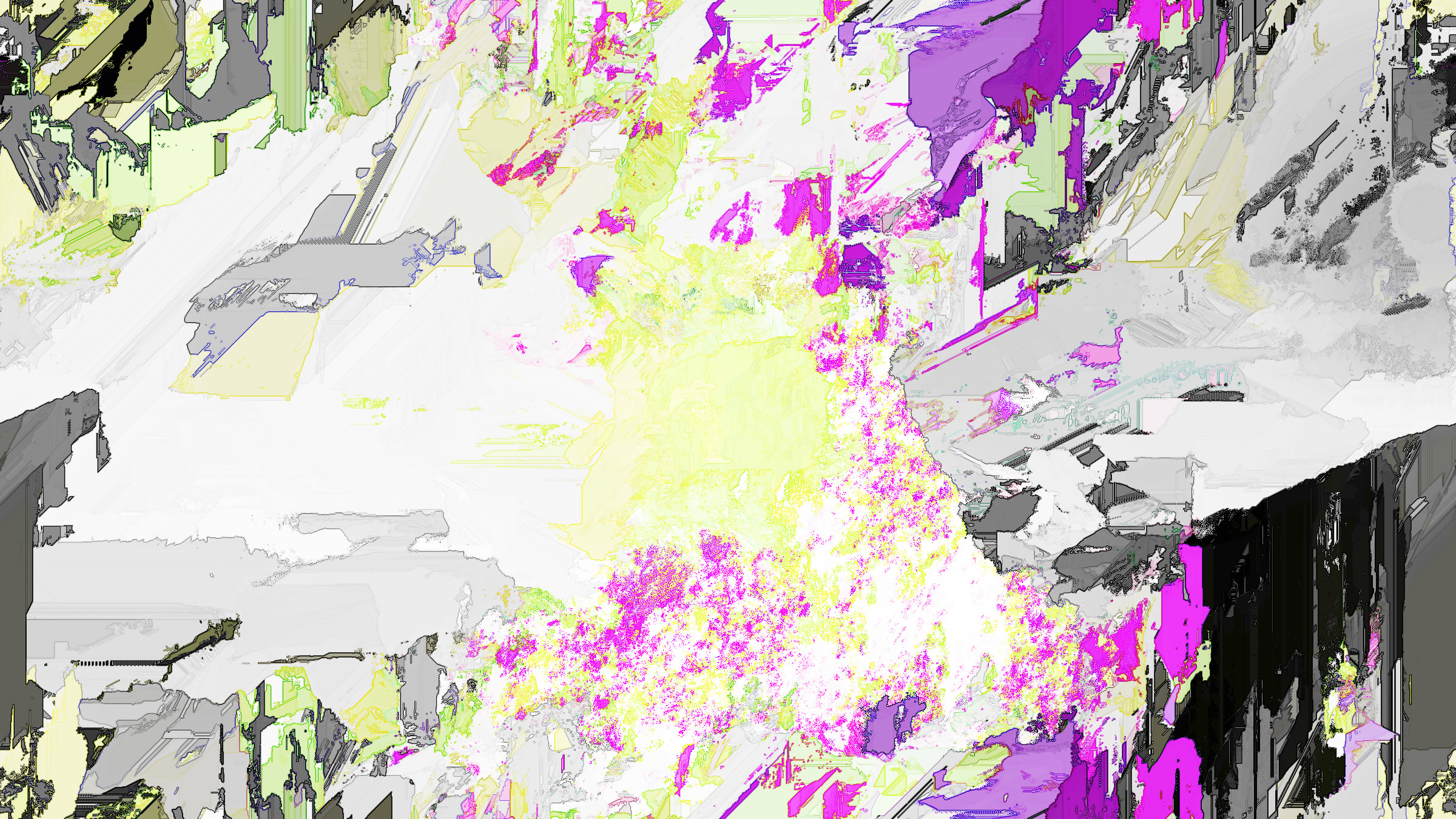
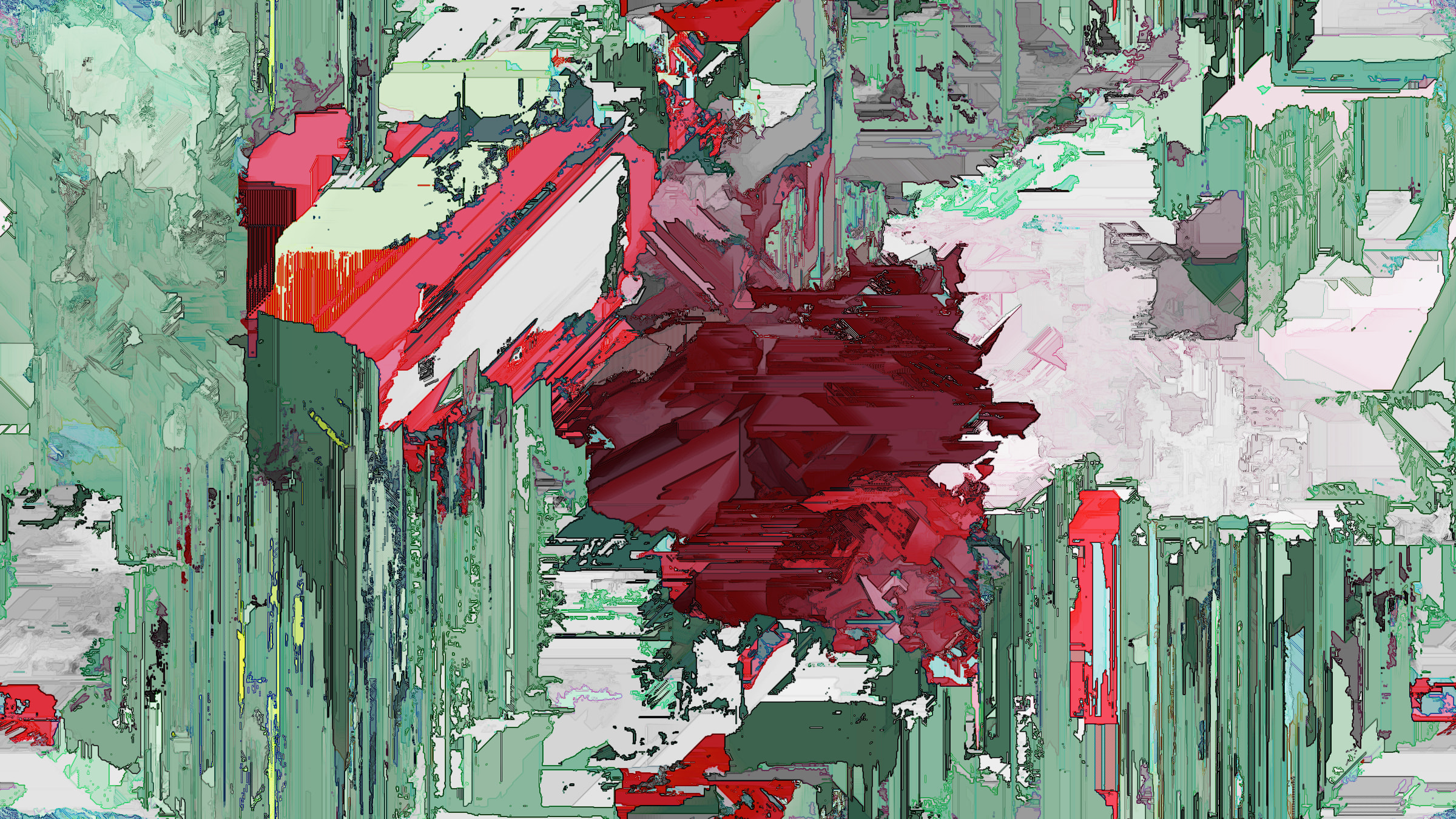
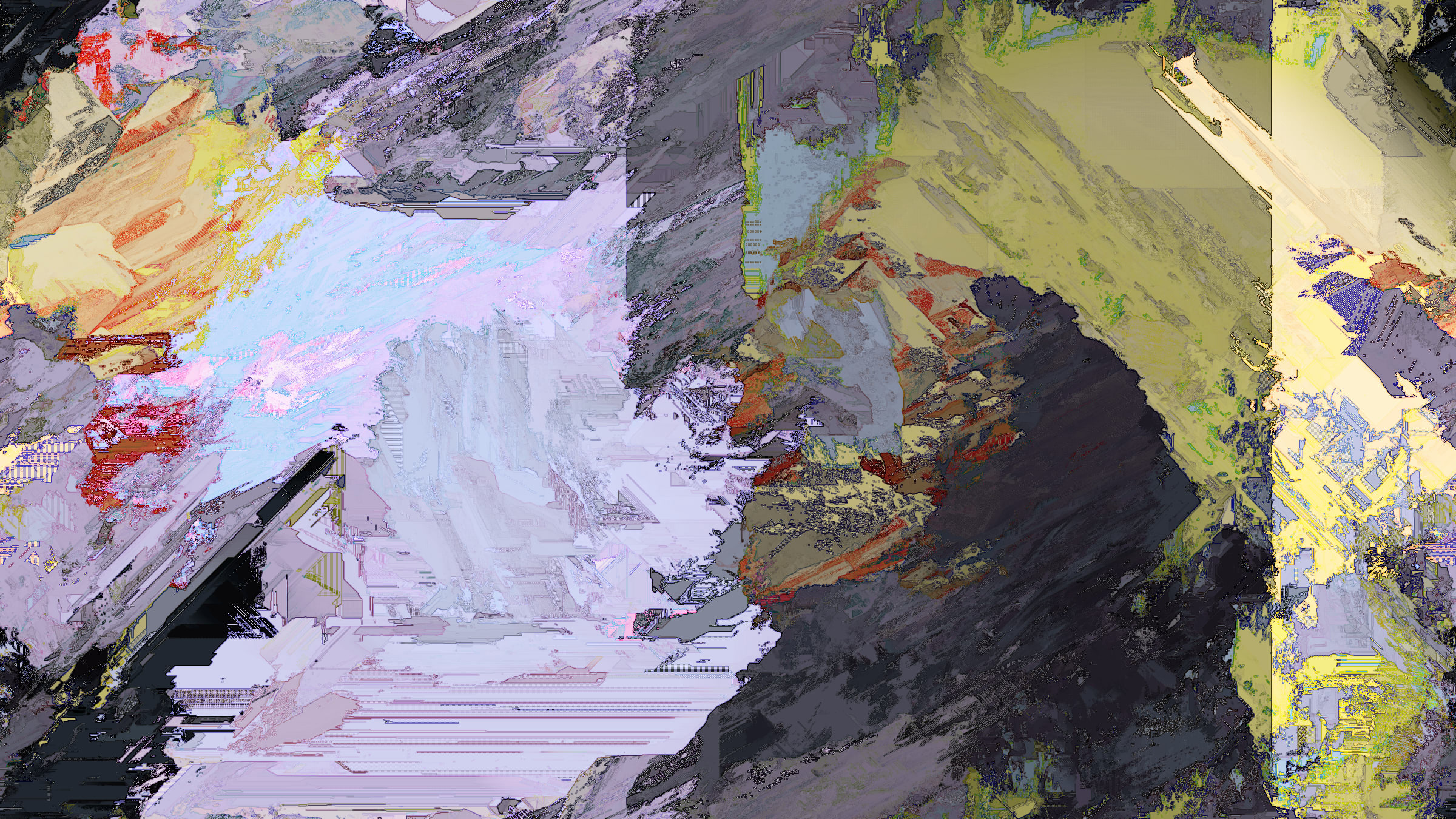
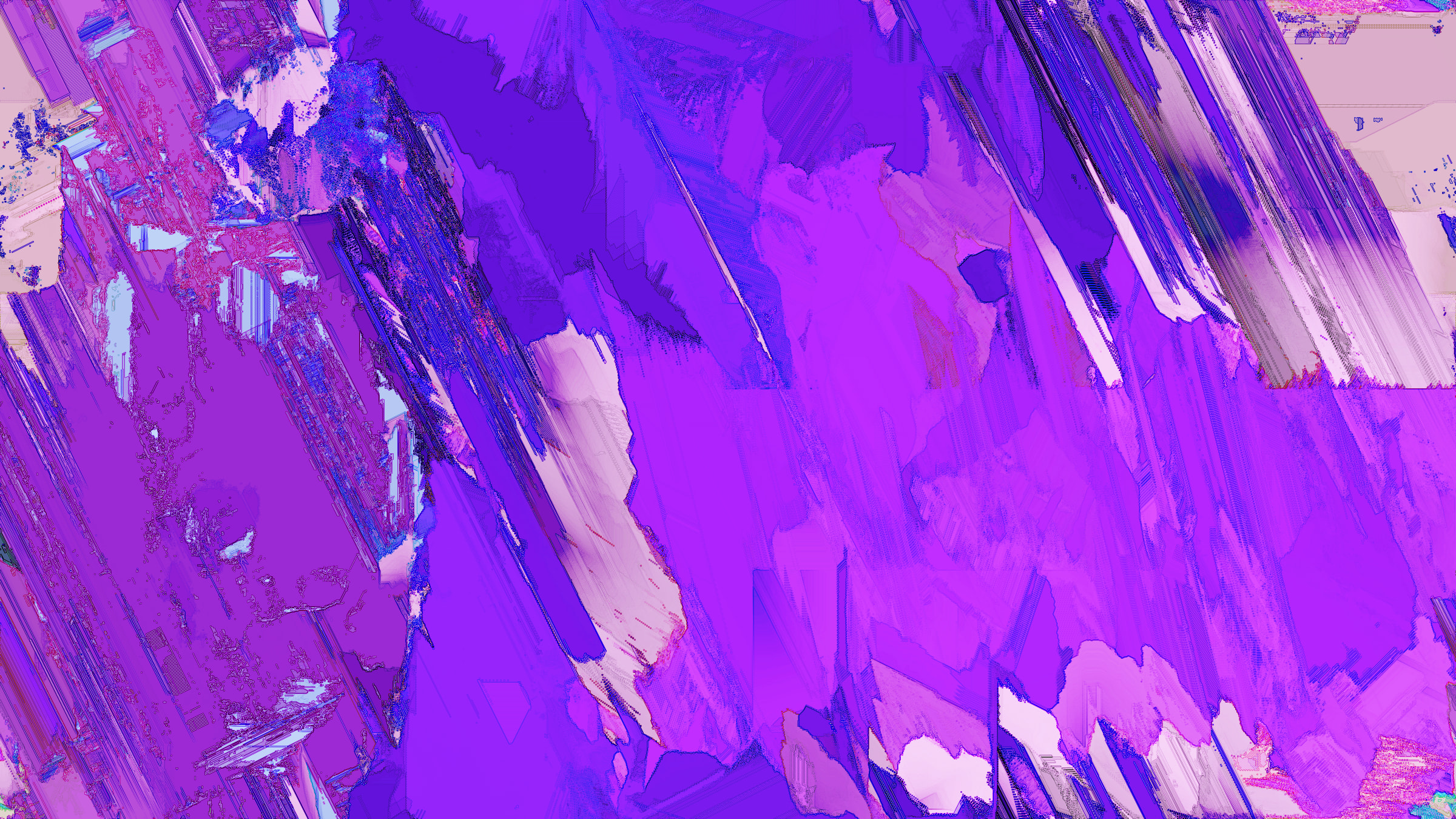
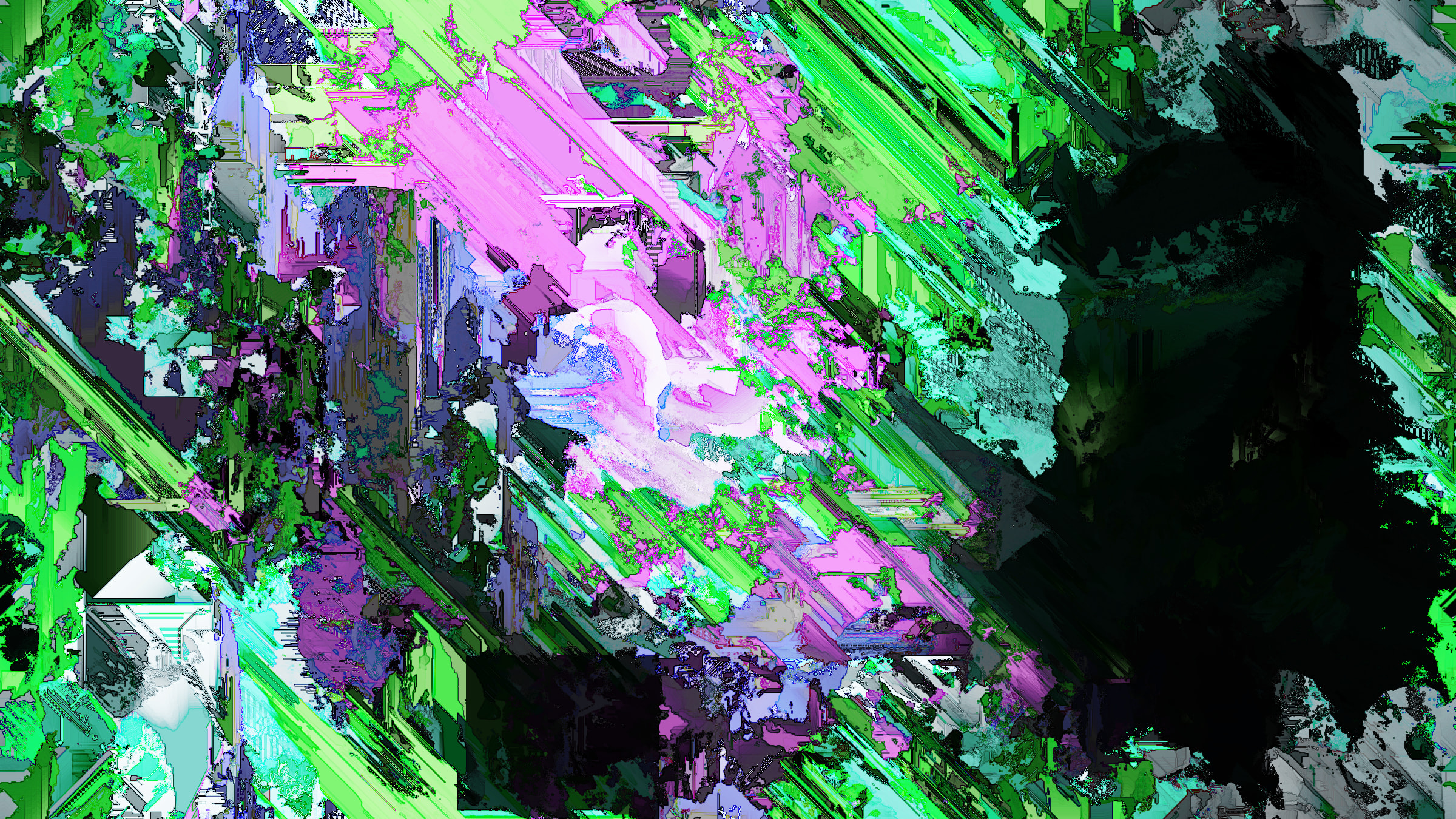
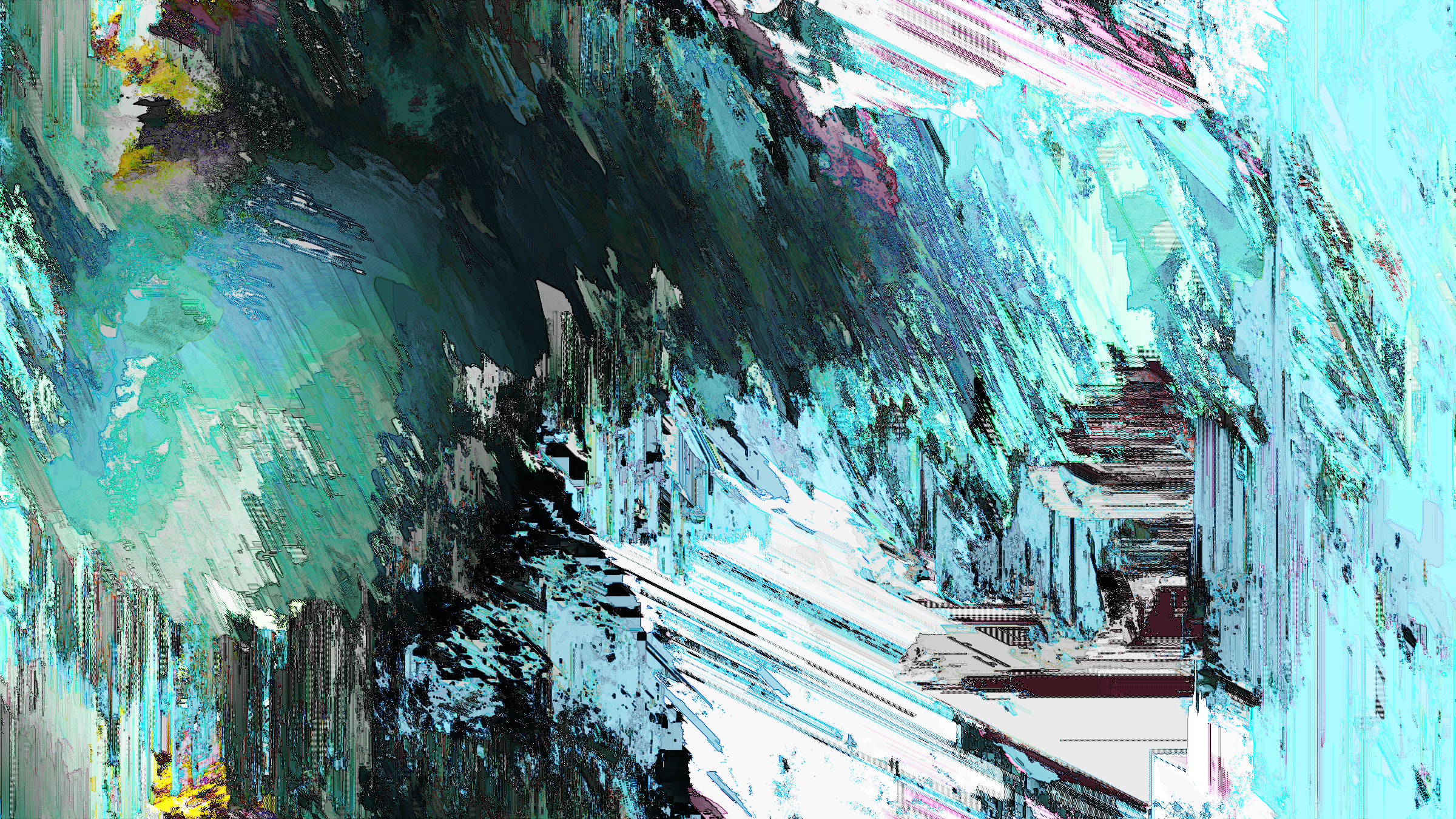
"Rain Blooms" is an audiovisual work built on an original cellular automaton designed by Kazuhiro Tanimoto to produce complex behavior. By running a cellular automaton program, one of the representative models in ALife (Artificial Life), the work generates visual and audio change in real time through ongoing interactions among multiple elements.
In its presentation at NEORT++ (Tokyo) in May 2026, this real-time generative process is configured as an immersive environment. Images that continue to transform through the execution of code fill the walls, while the corresponding sound creates an environment in which vision and hearing are closely linked. The viewer is placed inside images and sounds that are continuously updated through computation.
In many visual works, including those produced with AI generation, the creator often defines in advance the image they want to show, shapes the output toward that target, and then presents the result as fixed data. In this work, what the artist designs is not a completed image, but local rules at the pixel level: an algorithm. The rendering proceeds through the real-time iterative execution of that algorithm, and diverse patterns and movements not directly specified in advance by the artist continue to arise from interactions among elements.
The cellular automaton used in this work is not a reproduction of a classical cellular automaton such as the Game of Life. It is constructed as an extended rule system combining how neighborhoods are defined, interactions among multiple species, interactions such as attack, assimilation, and indifference, and a vitality parameter held by each cell. Through repeated application of these local rules, the work produces a range of changes including organic, upwelling motion, linear and inorganic motion, collapse, proliferation, and cycles.
Simple geometric forms are periodically introduced from outside, much like dropping paint onto a canvas. These forms are not preserved as independent motifs; they immediately begin to behave as part of the cellular automaton itself. Through local interactions with surrounding cells, they break apart, proliferate, and transform into other patterns. What the viewer observes is not the inserted form itself, but how it is transformed within the computational system and unfolds into the overall image.
The sound is not added afterward to accompany the image. Changes in the cells are detected, and sound frequencies and other parameters are varied according to information such as hue, brightness, and saturation, generating an ambient soundscape that corresponds to the changes on screen. Image and sound originate from the same computational process, and the changes occurring on screen also appear as sound.
At the start of each run, the work determines neighborhood settings and various parameter sets involved in the generation of both image and sound. When the work is run again, a different parameter set is selected. Even though the program itself remains the same, generation begins under different conditions and produces different results. Rather than playing back a fixed video, the work presents a process in which image and sound are continuously updated through computation.
What is attempted here is not to fix a single determinate meaning, claim, or interpretation in advance as the work itself. Rather, the work consists in designing computational rules, such as how neighborhoods are defined, how multiple species relate to one another, how vitality operates, and how image and sound are linked, and in presenting a bottom-up, dynamic generative system in which change continues to emerge from their interaction. Through this method, the artist examines what forms of expression are possible precisely because they are produced by a computer: forms whose final shape is not directly decided by a human, but arises through repeated computation and interaction among elements.
More information