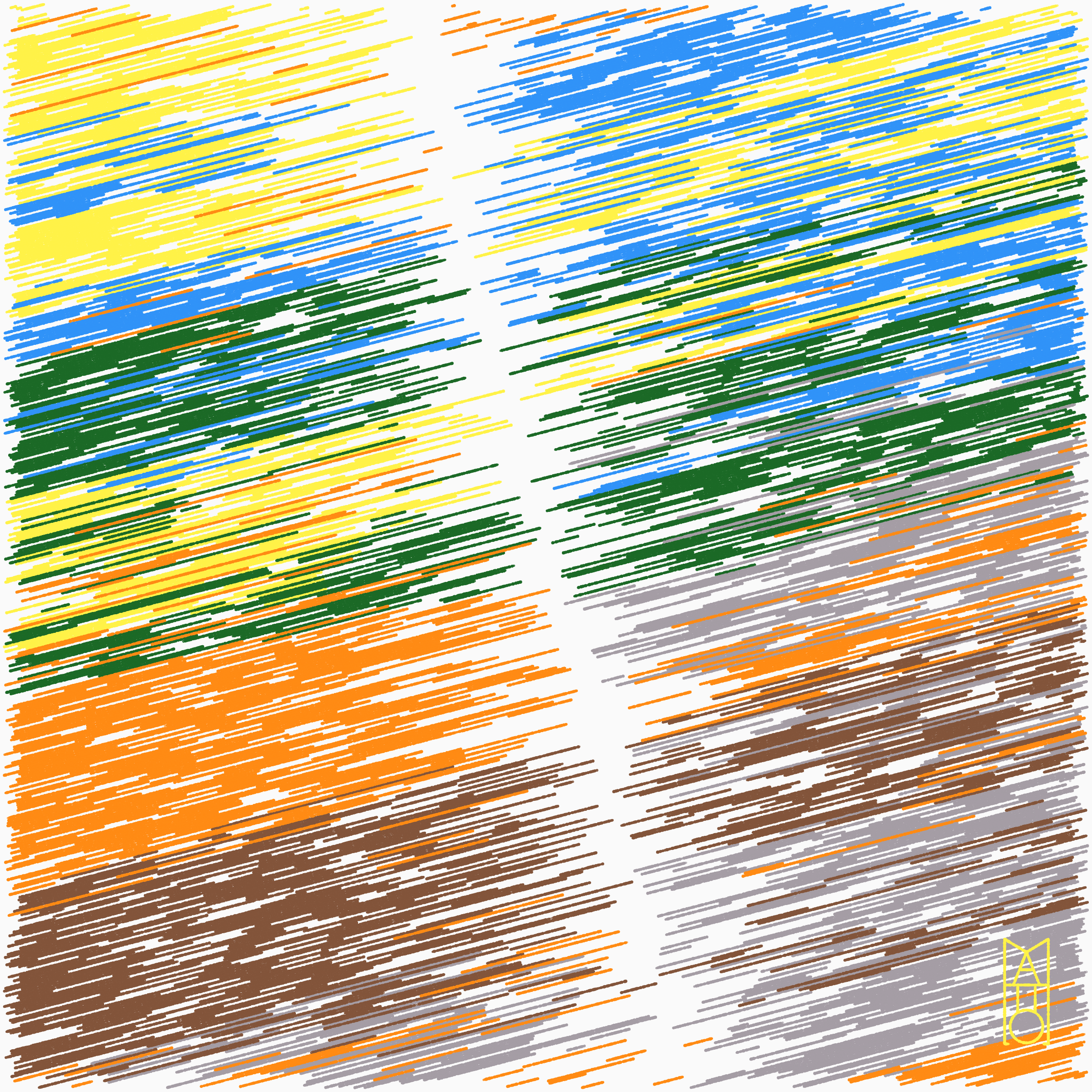
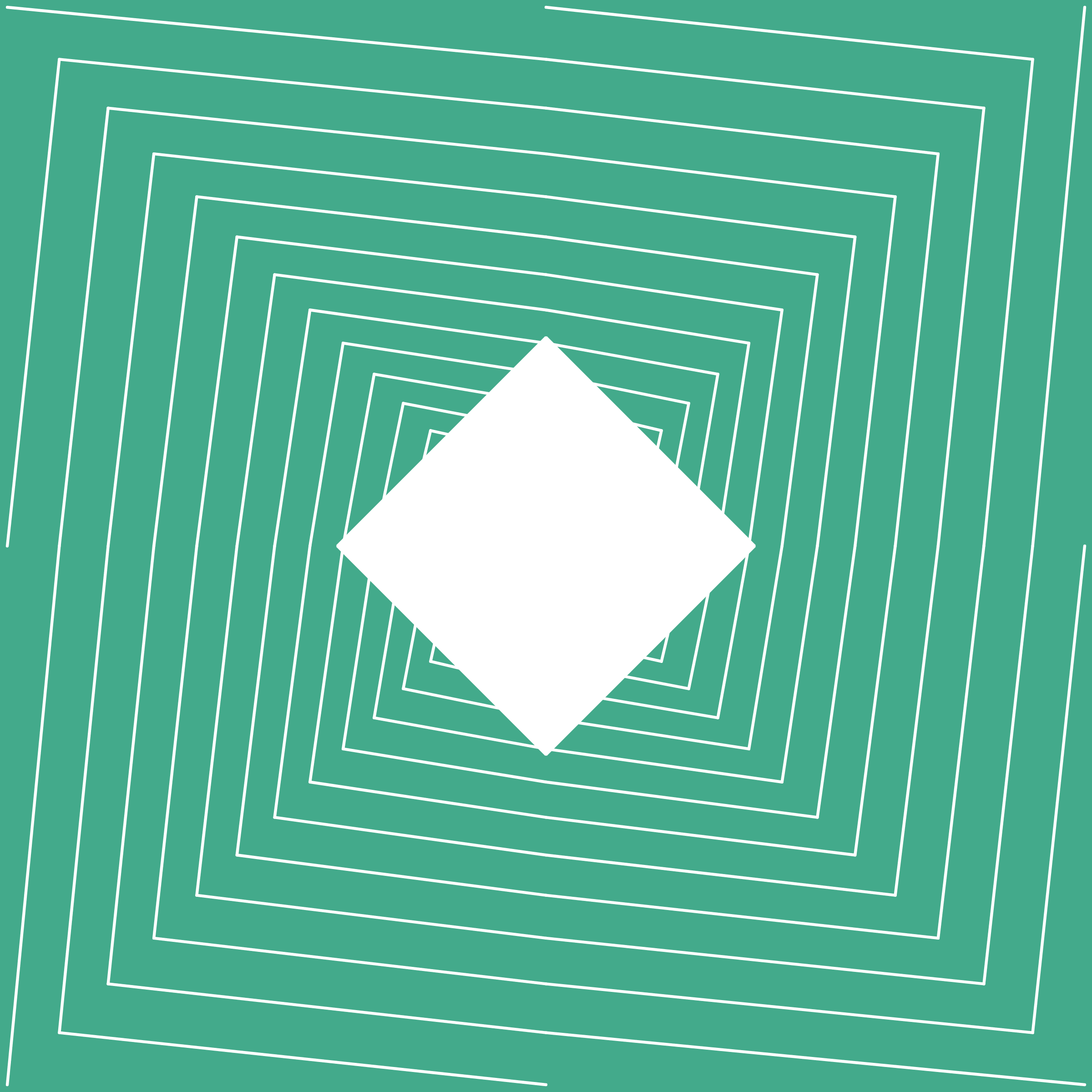
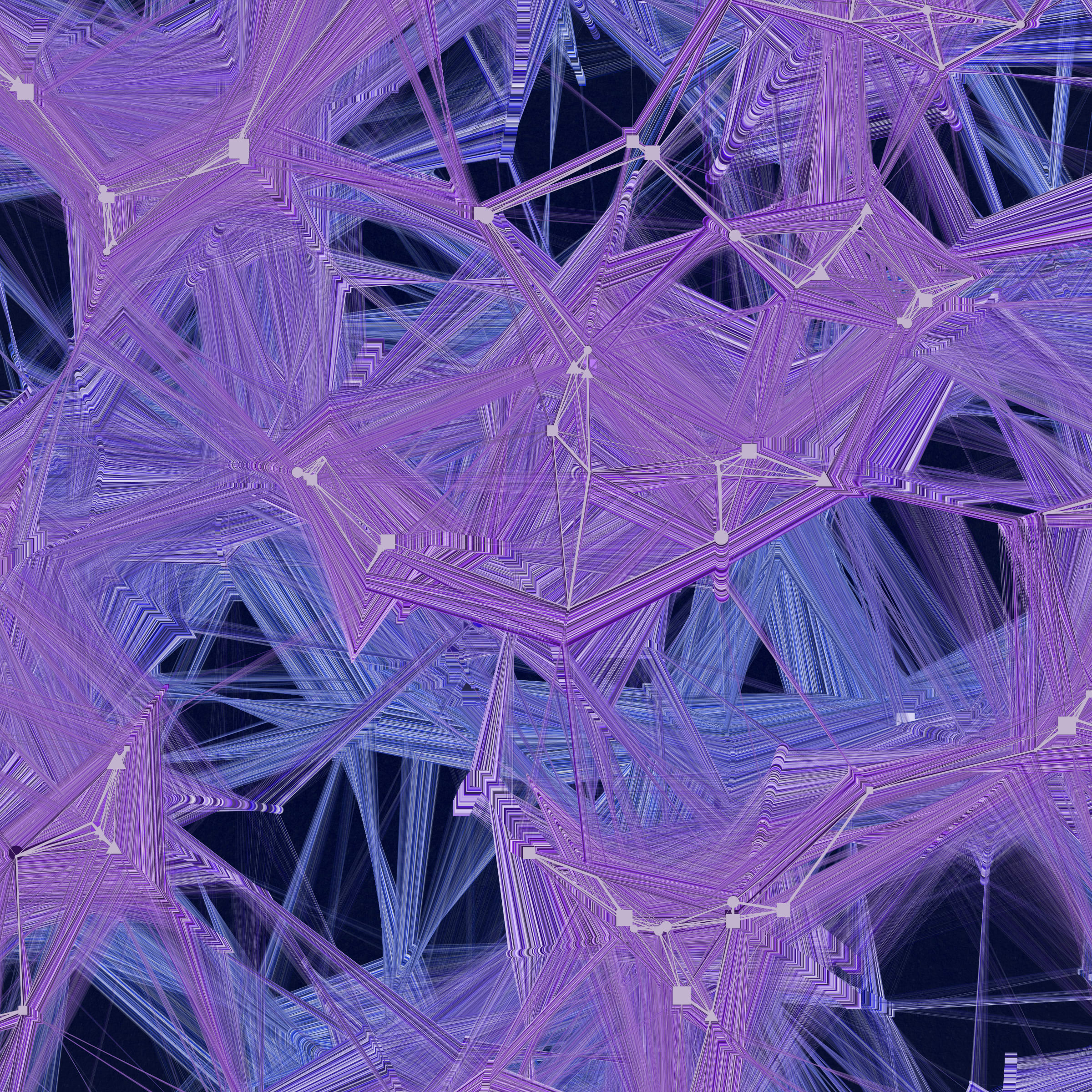
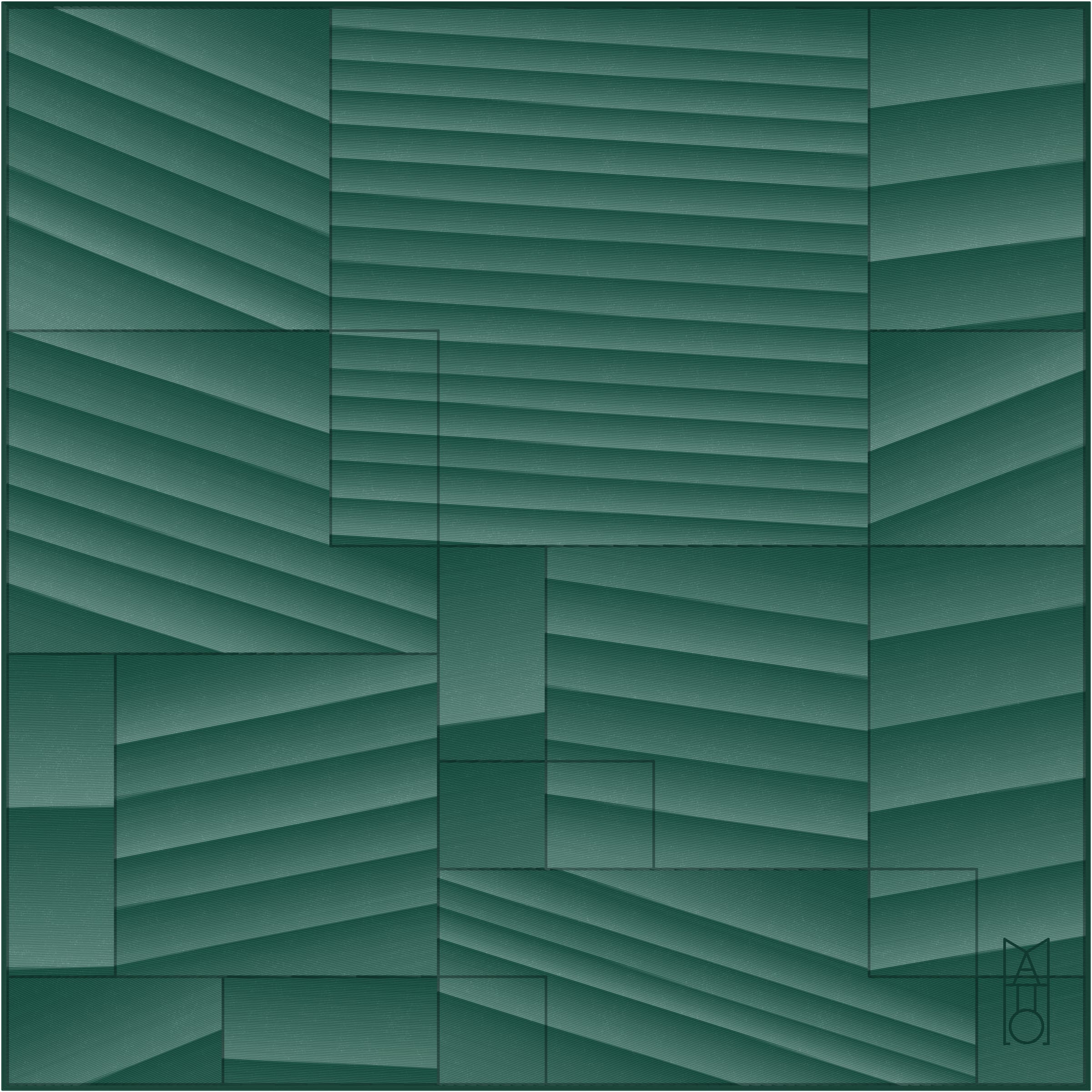
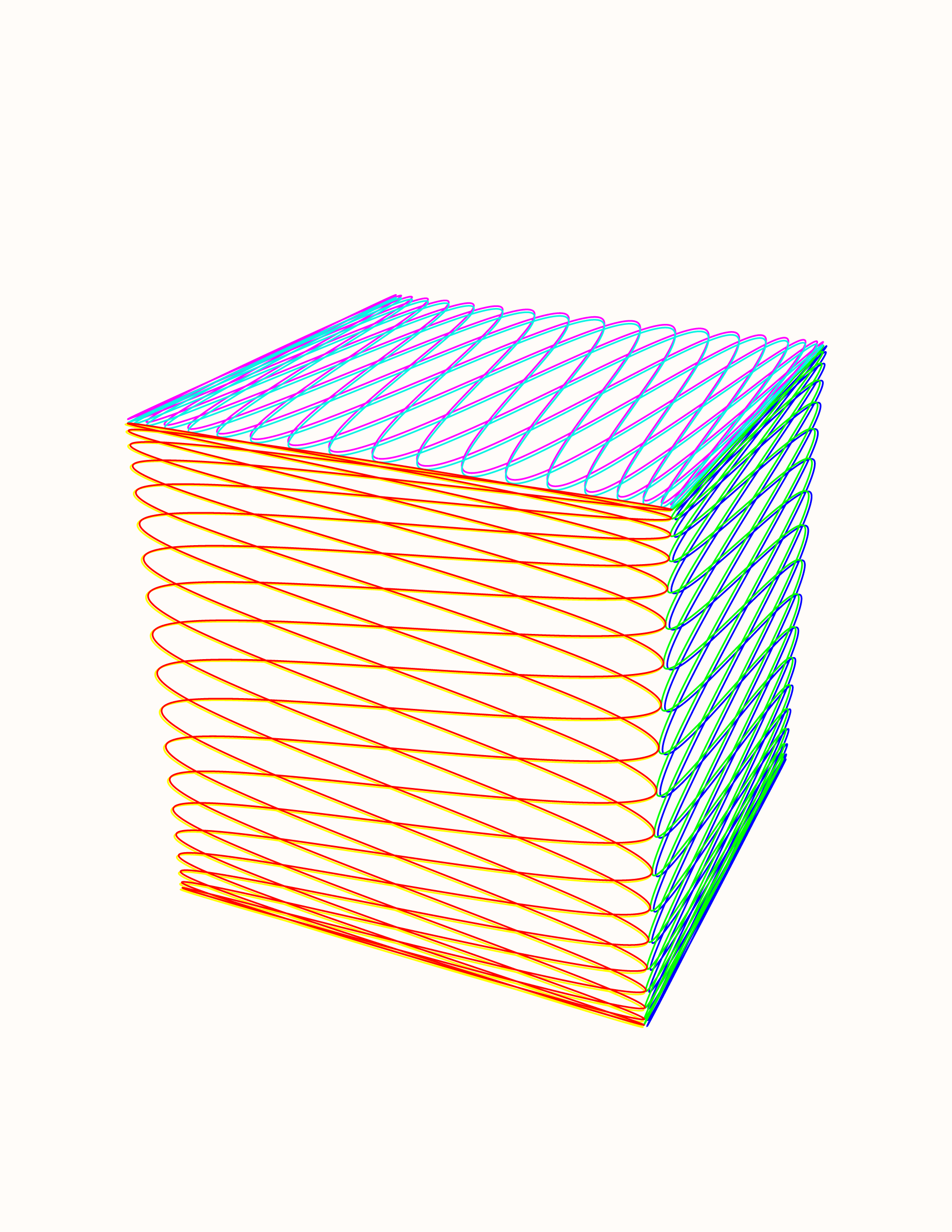
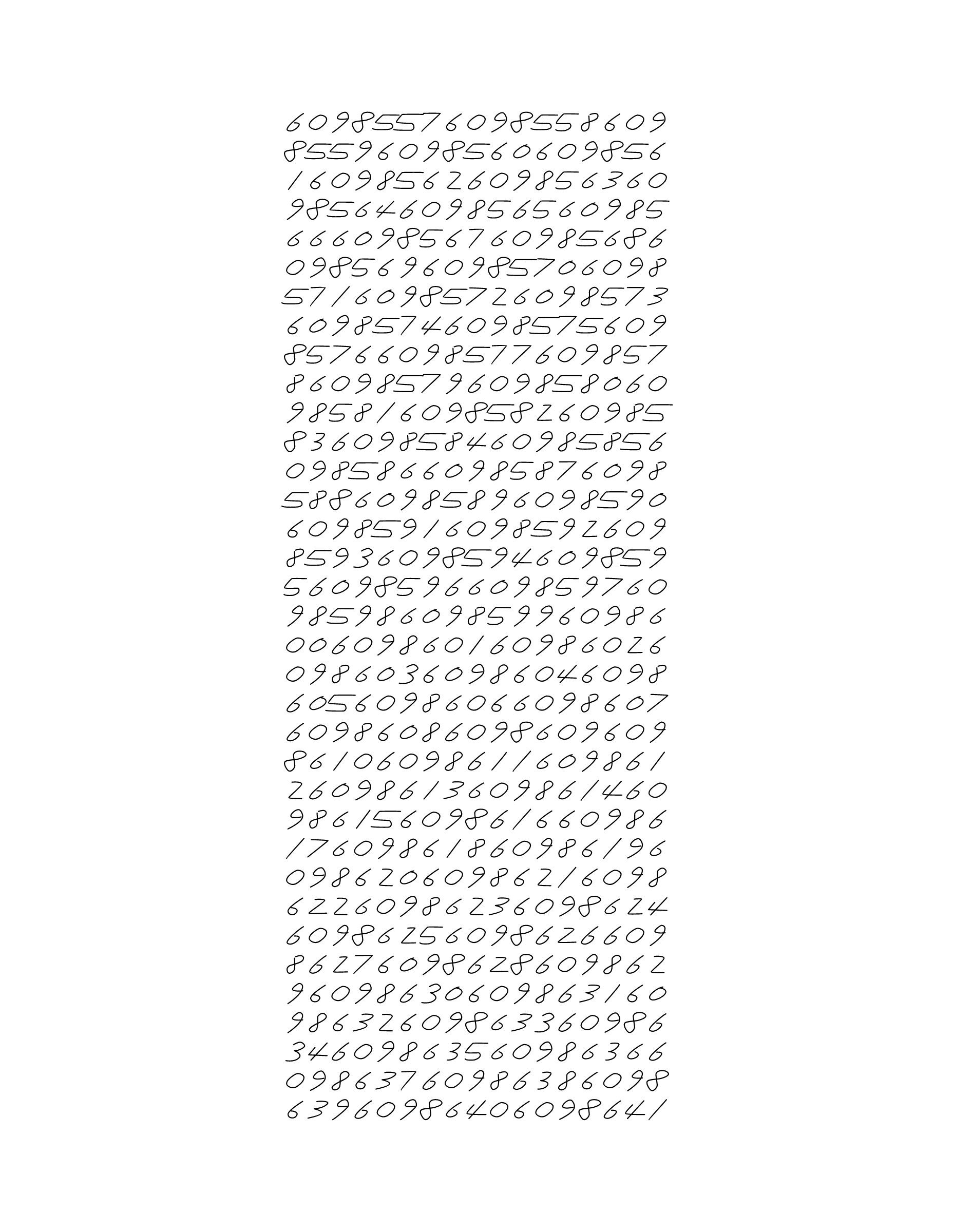
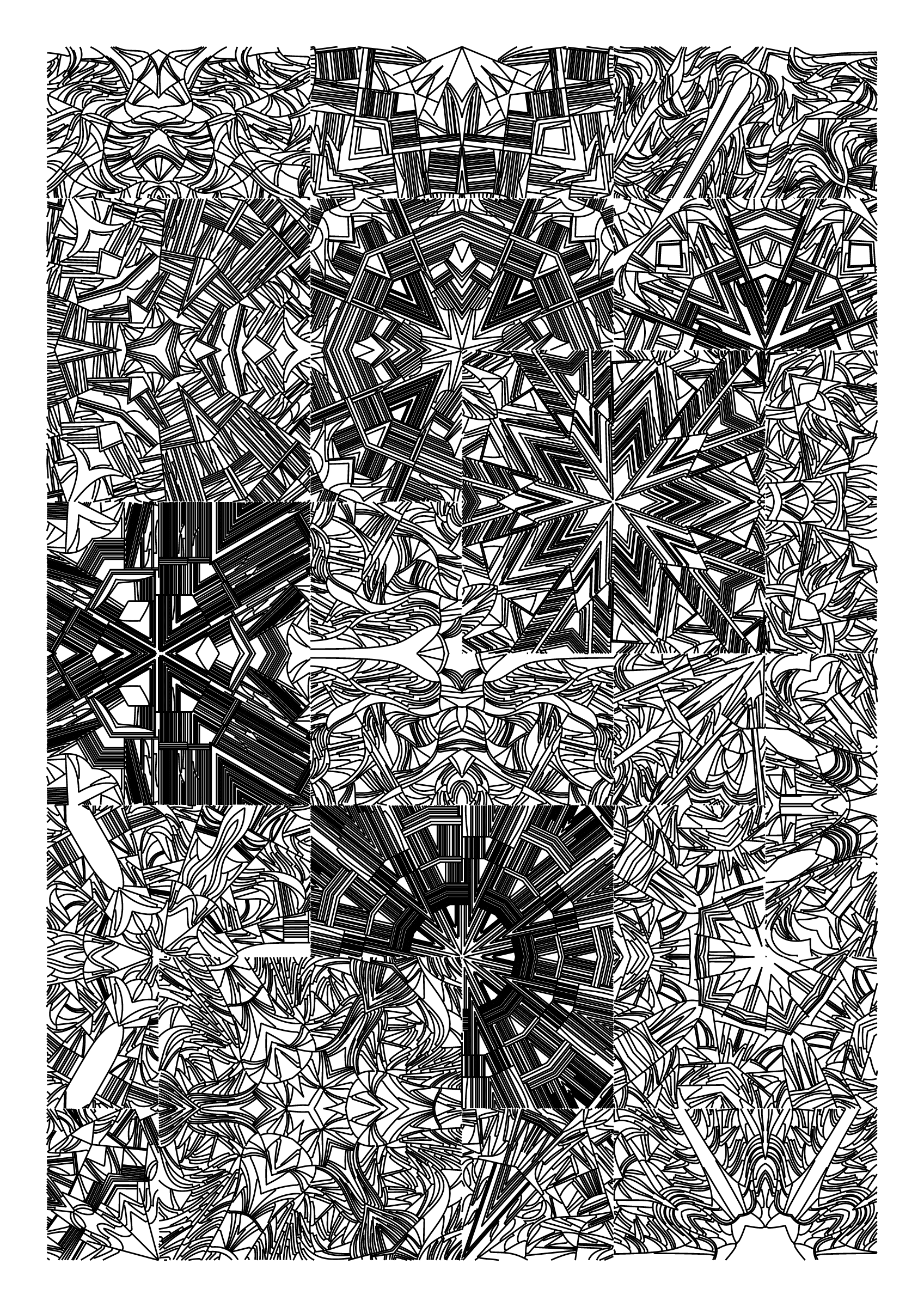
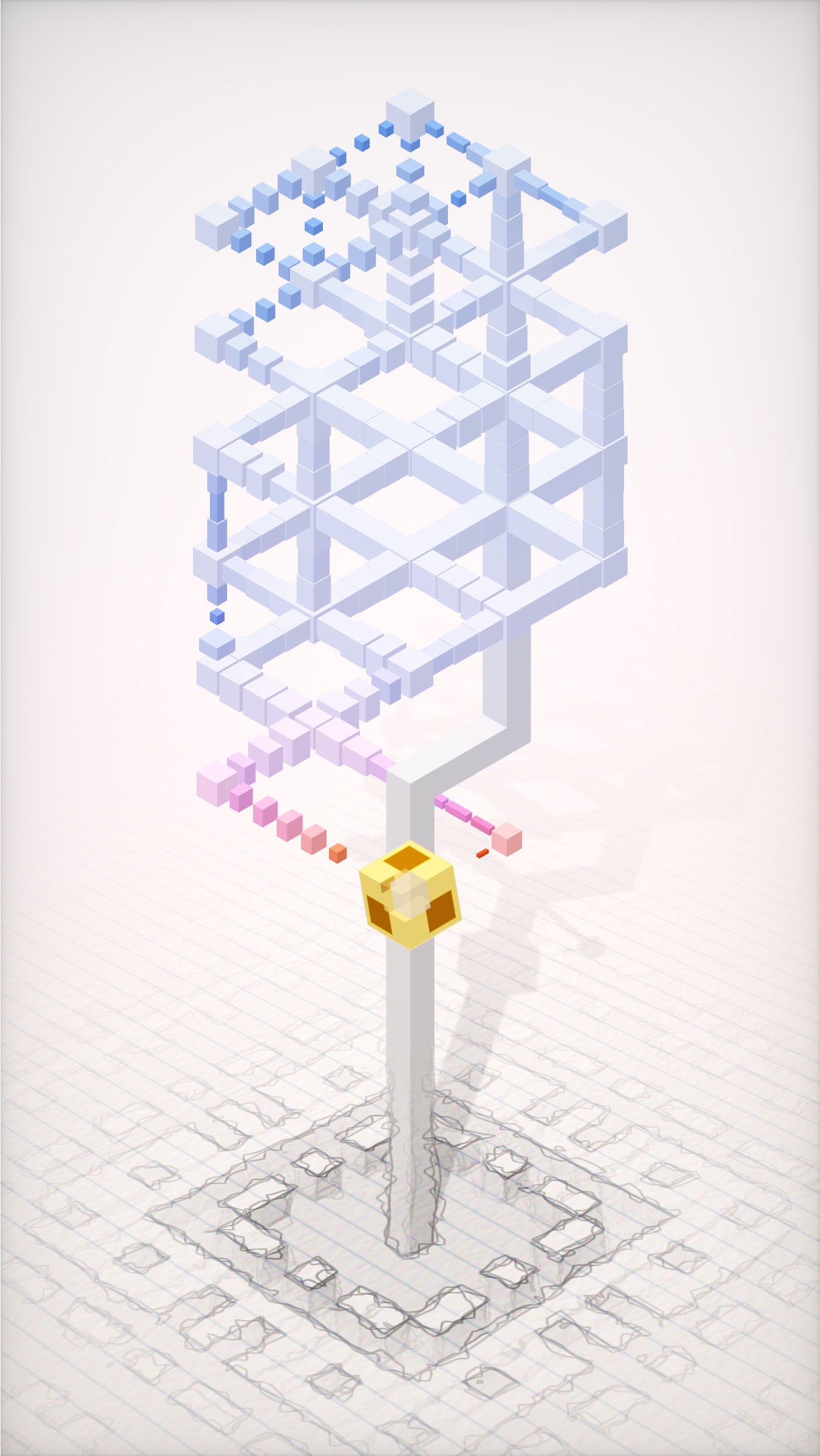
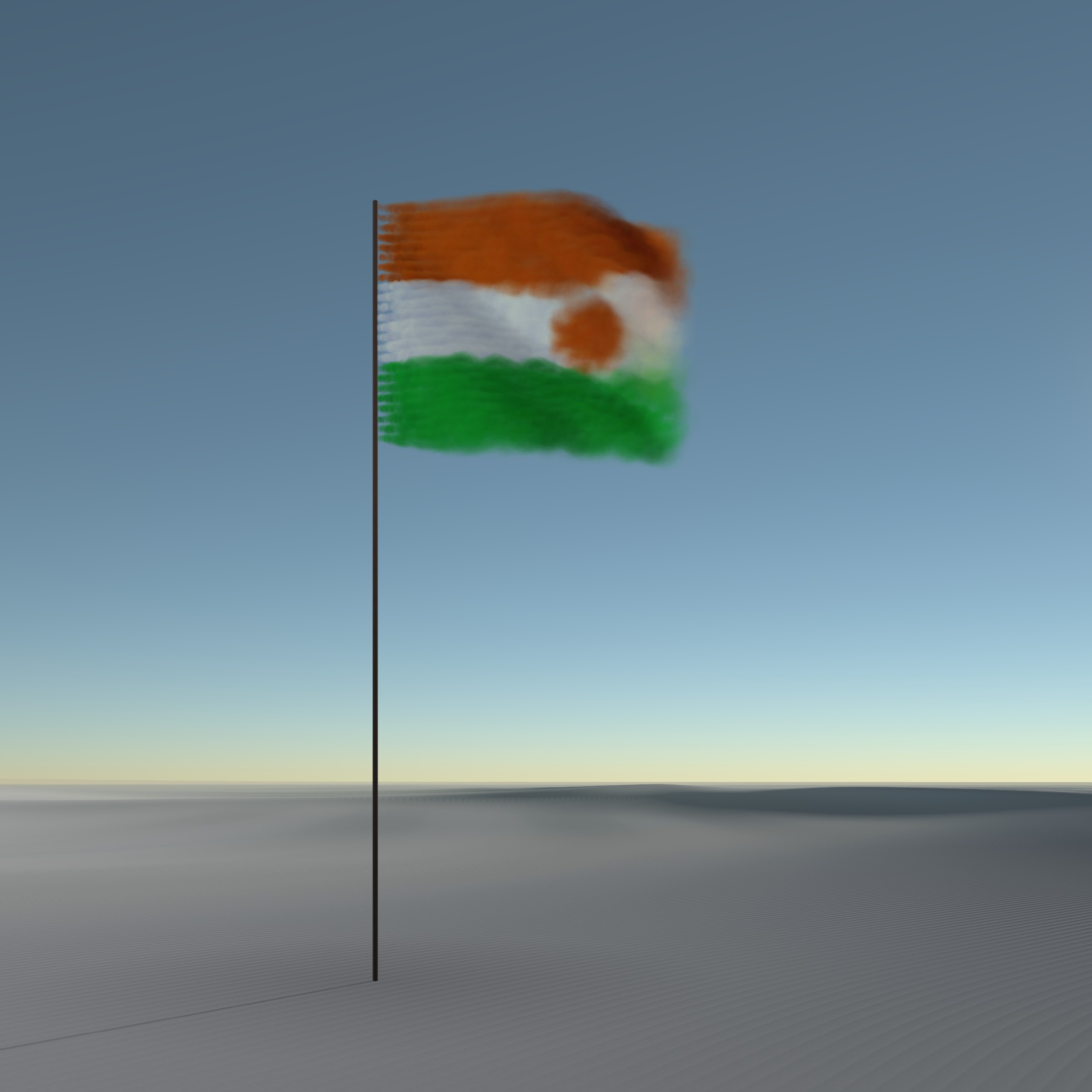
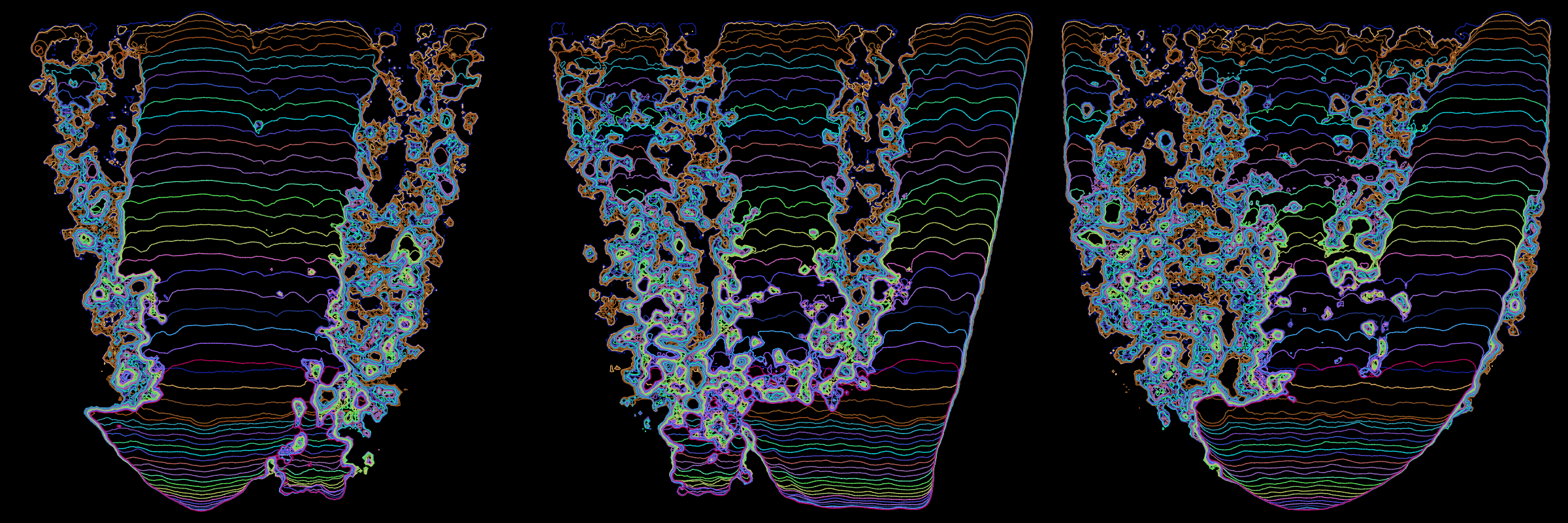
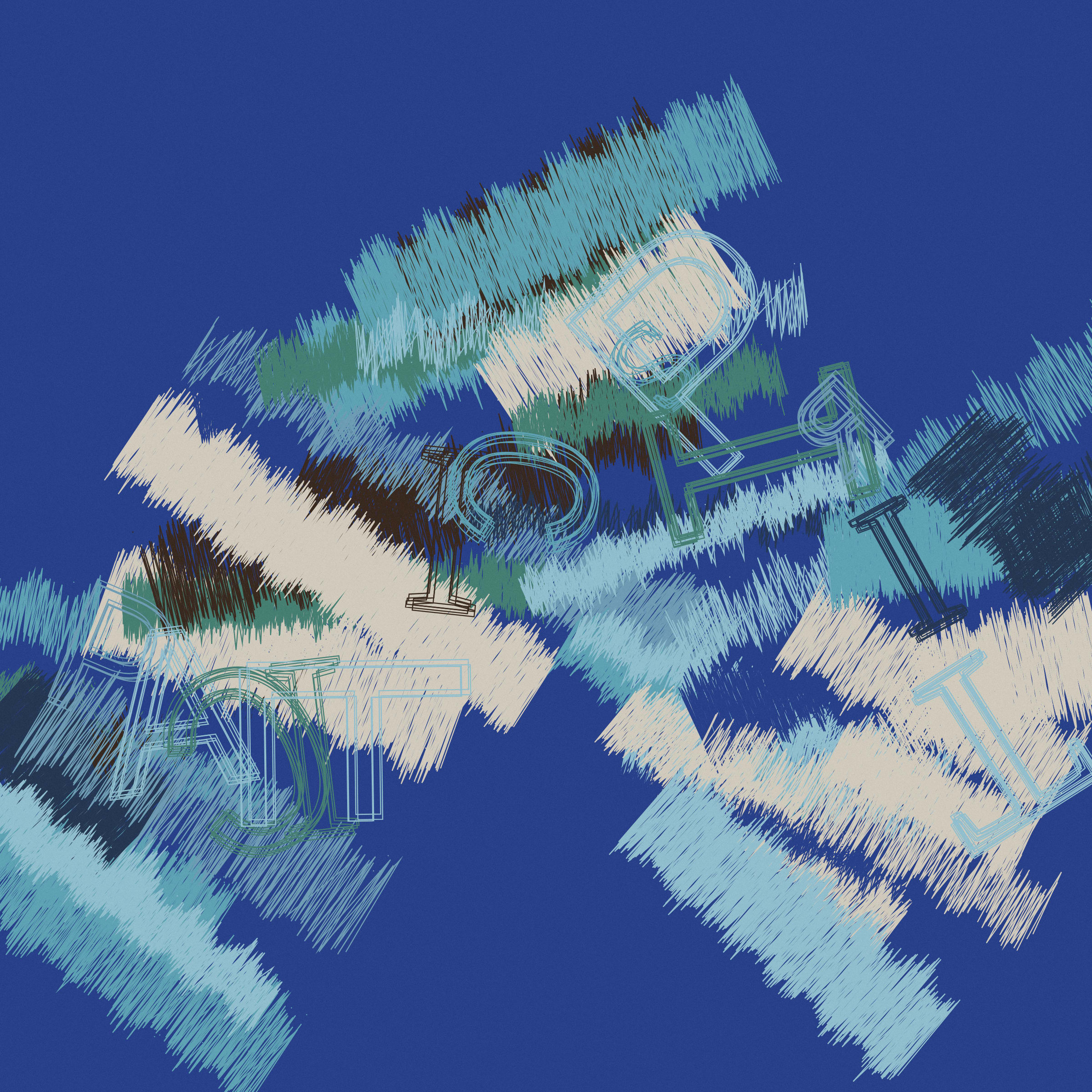
Scratch is a Zen-inspired generative art project that explores the captivating patterns that sanding discs create on metal surfaces. The digital artworks can be pen-plotted at any scale, and an alternate physical output can be created on sheets of metal using CNC machines.
Inspiration and Creation
Scratch continues my exploration of Zen-inspired generative art. It also continues the trend from prior Zenerative projects in that it explores new output technologies, specifically it explores plottable art and CNC machinable art.
During my undergrad and graduate study (BS from an engineering program and MFA from a imaging arts and science program), I worked in a machine shop that my then father-in-law owned and operated. I was a bit of a apprentice there, doing various odd jobs, but after a while I was mostly smithing custom tools and restoring various metal parts. I'd frequently use a die-grinder with an abrasive pad attached, and I noticed how it left the most interesting patterns of arcs on metal surfaces. These intricate patterns made by simple motions never left my mind, and they inspired the Scratch algorithm.
This project is dedicated to the artistry and creativity in 'blue-collar' workers, something that is often unnoticed or under appreciated.
The Generative Program
This project utilizes p5.js to create the artwork. Each generated image uses values from a unique transaction hash provided by the platform (plottables.io powered by artblocks.io) to determine material, finish, number of rings, density of rings, style of rings, and more—all with the goal of creating a simple yet serendipitous artwork.
The source code is on-chain, on mainnet Ethereum. It's nearly 400 lines long and 12.4 Kilobytes of data, which took .33 Eth in gas to deploy (don't worry, I offset the environmental impact). Each NFT image can be rendered directly in the browser, utilizing only standardized JavaScript and the official JavaScript library from the Processing foundation. Scratch images are fully deterministic and resolution-agnostic.
Plotter Notes:
To replicate the density of the digital image, choose a pen for the main area of a Scratch that is 1/1000th the length of the sides of the plottable area. For the signature, a pen that is 2.6 times thicker than the one used for the main area is suggested. For instance, for a 10" square plot, a 0.25mm pen for the main image and a 0.65mm pen for the signature will closely mimic the density of the digital output. While bolder pens can create more visually striking images, denser Scratches plotted with thicker pens might require a heavier paper stock.
CNC Notes:
Experienced CNC technicians can faithfully execute the outputs on 24" x 24" sheets of metal by using 1", 2", and 3" sanding discs and a 1/16" end mill. The choice of material and finish should be based on the specific characteristics of the Scratch output. If the Scratch output includes the 'Dark' feature, anodized aluminum or copper with a patina can be used. Clear coat the piece after machining to prevent tarnishing.